

I love sunrises and sunsets. I plan photo outings around them.
There’s really nothing wrong with that. I have not had visits from the photography police telling me I have to stop. So what’s the problem?
I am finding that I sometimes miss everything else. I came back from a trip recently, and as I was going through the photos I took, there were way too many orange photos. I did not have enough variety.
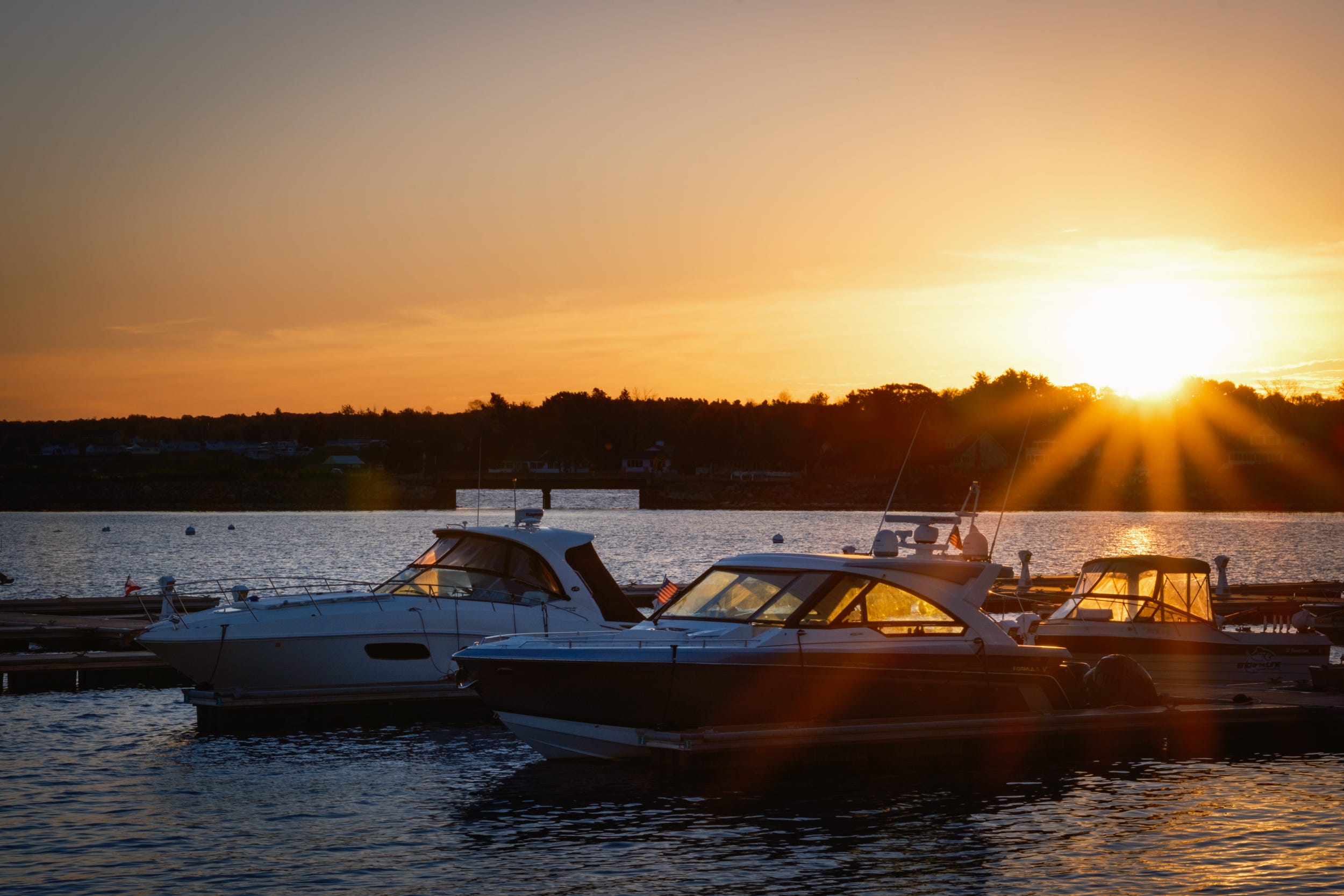
An appreciation of a beautiful sunrise or sunset is almost universal. And the challenge of capturing that beauty with a camera is addictive. Predicting the right conditions and putting yourself in front of that perfect composition just when the color reaches its peak is not easy. So there is a feeling of satisfaction from getting those shots.
For a long time, I thought I was chasing light.
Looking back, I was mostly chasing color.
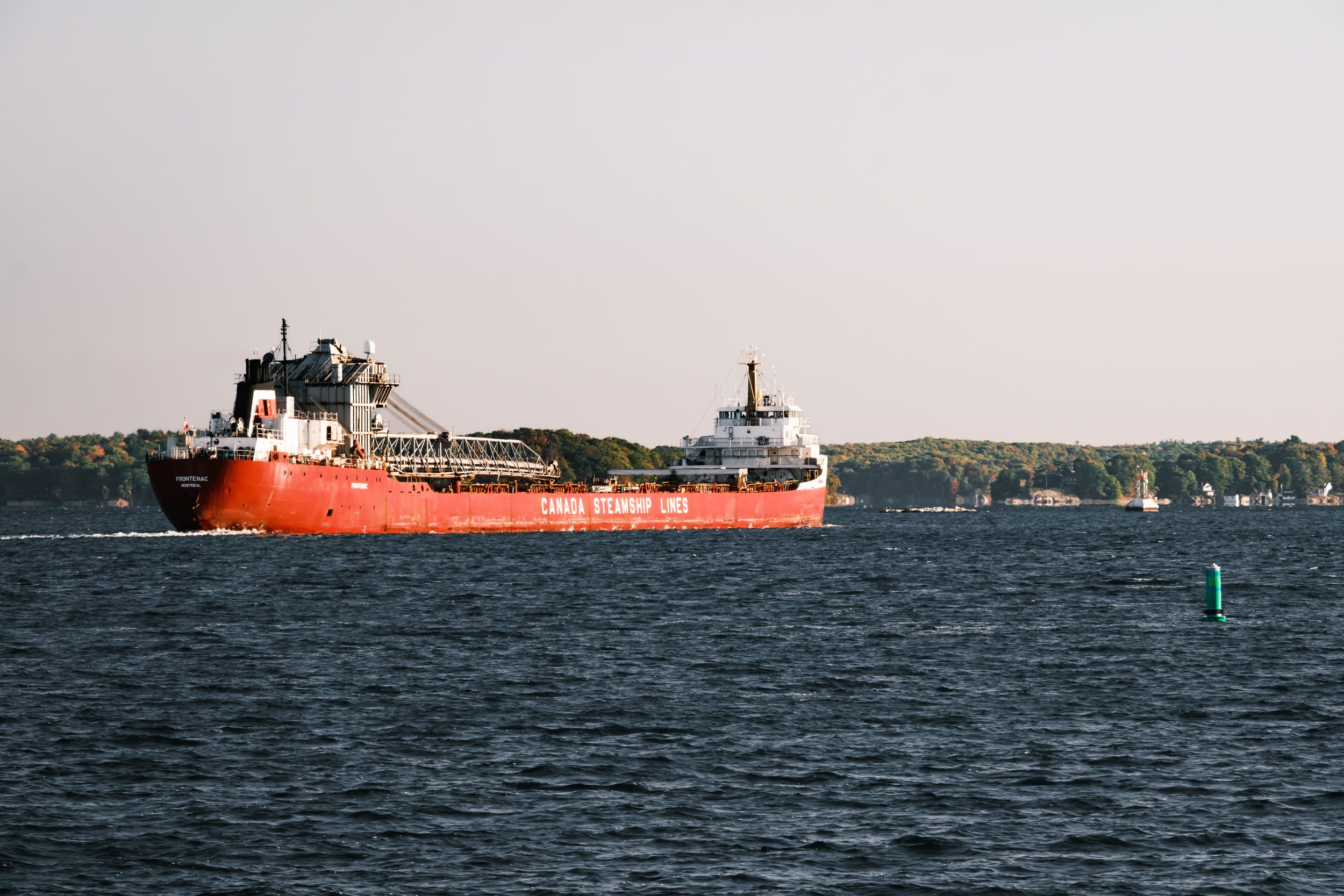
What else can golden hour give you?
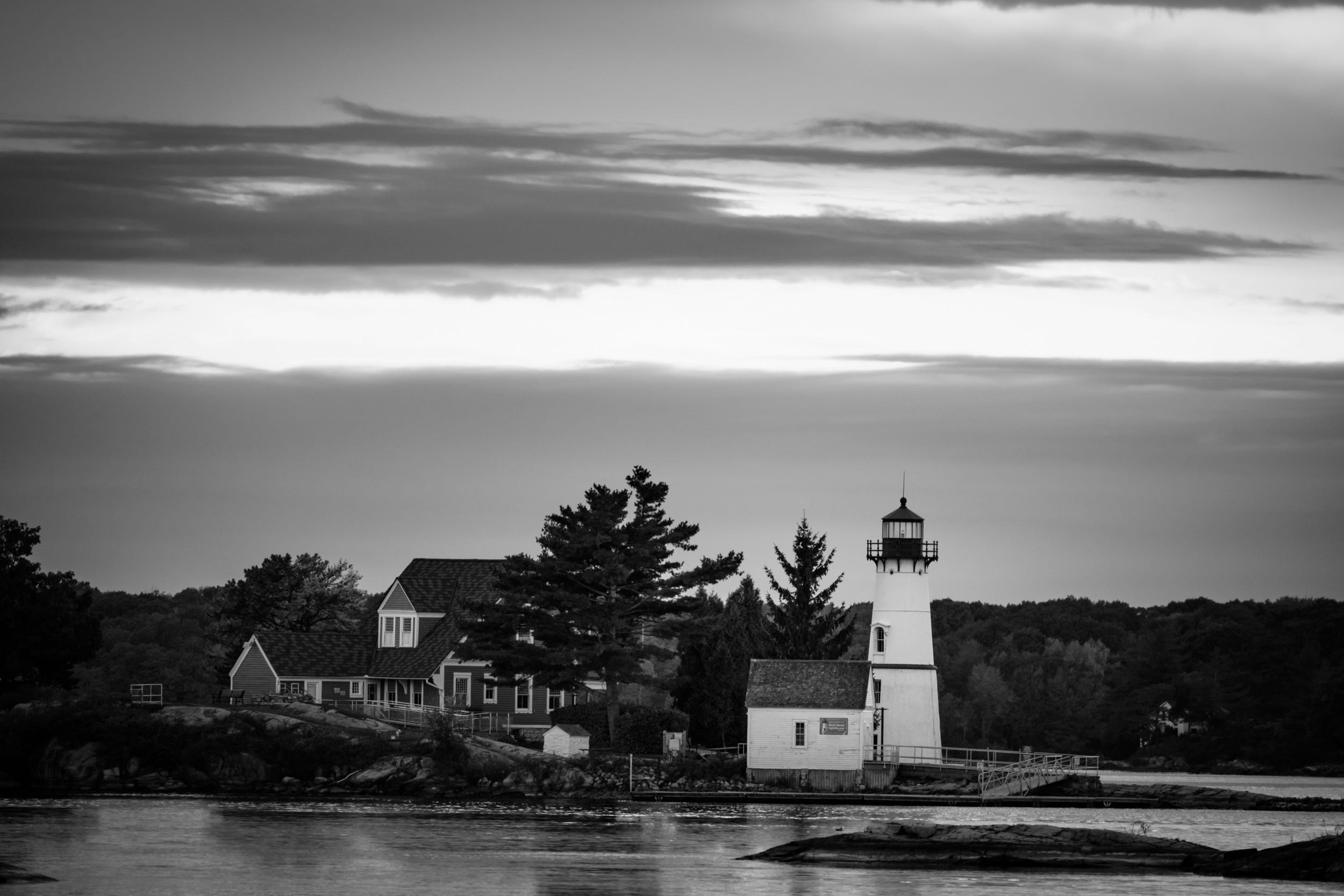
Besides a bright orange sky, golden hour provides some beautiful directional light. Looking past the color and shooting in black and white can provide some satisfying images. Texture, shadow, shape, and silhouettes can be used to create some interesting compositions. Taking away all, or at least some, of the color and using low-angle light at either end of the day can make these other elements much stronger.
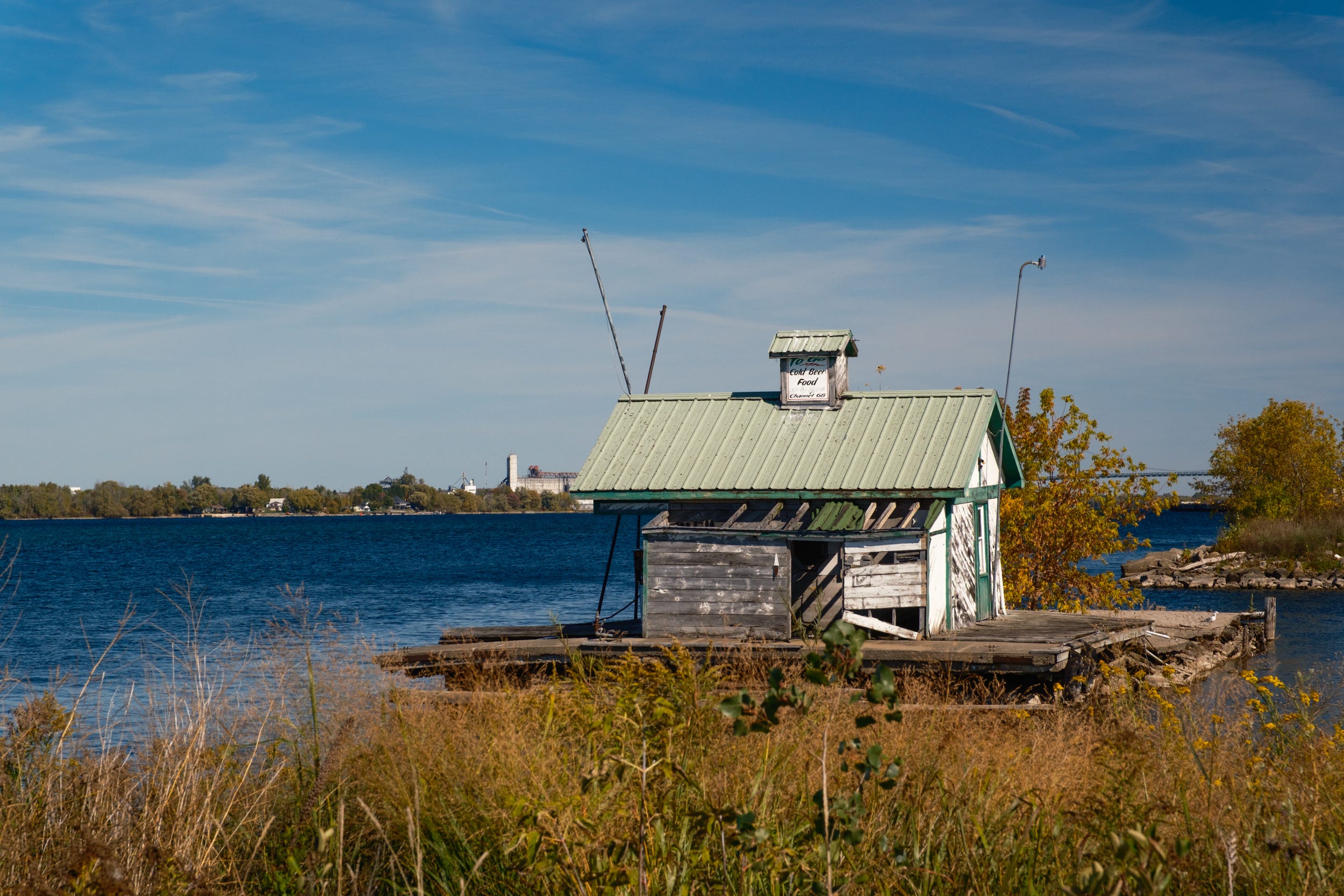
Turning around and seeing subjects behind you, lit by the warm glow of the early morning sun, can also yield images you will likely be happy with when you get home. Turn only partway around, and look for subjects lit from the side. As stunning as the sky is at the end of the day, it’s easy to forget the effects it has on other parts of the scene around you.
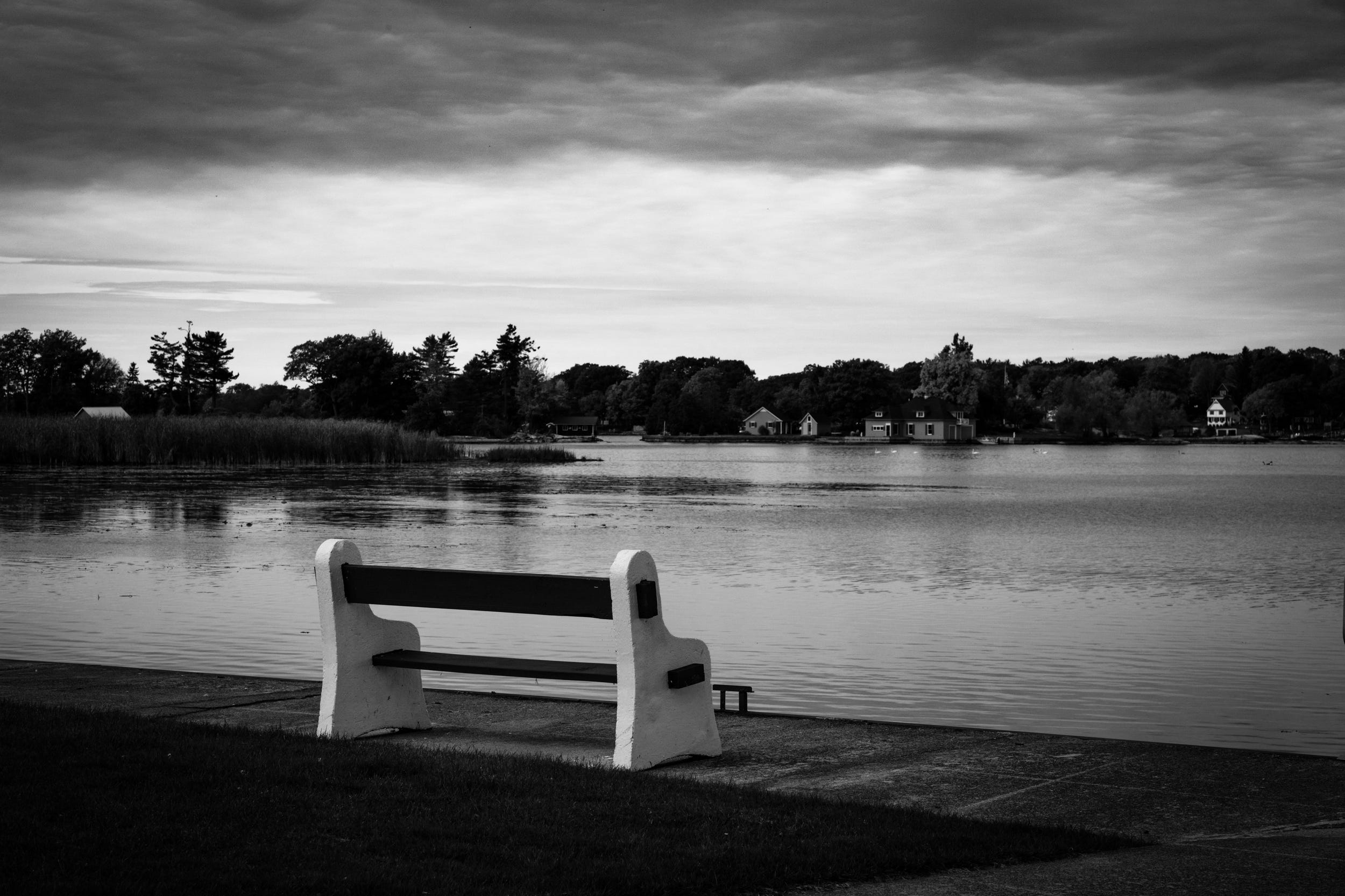
Moving away from golden hour
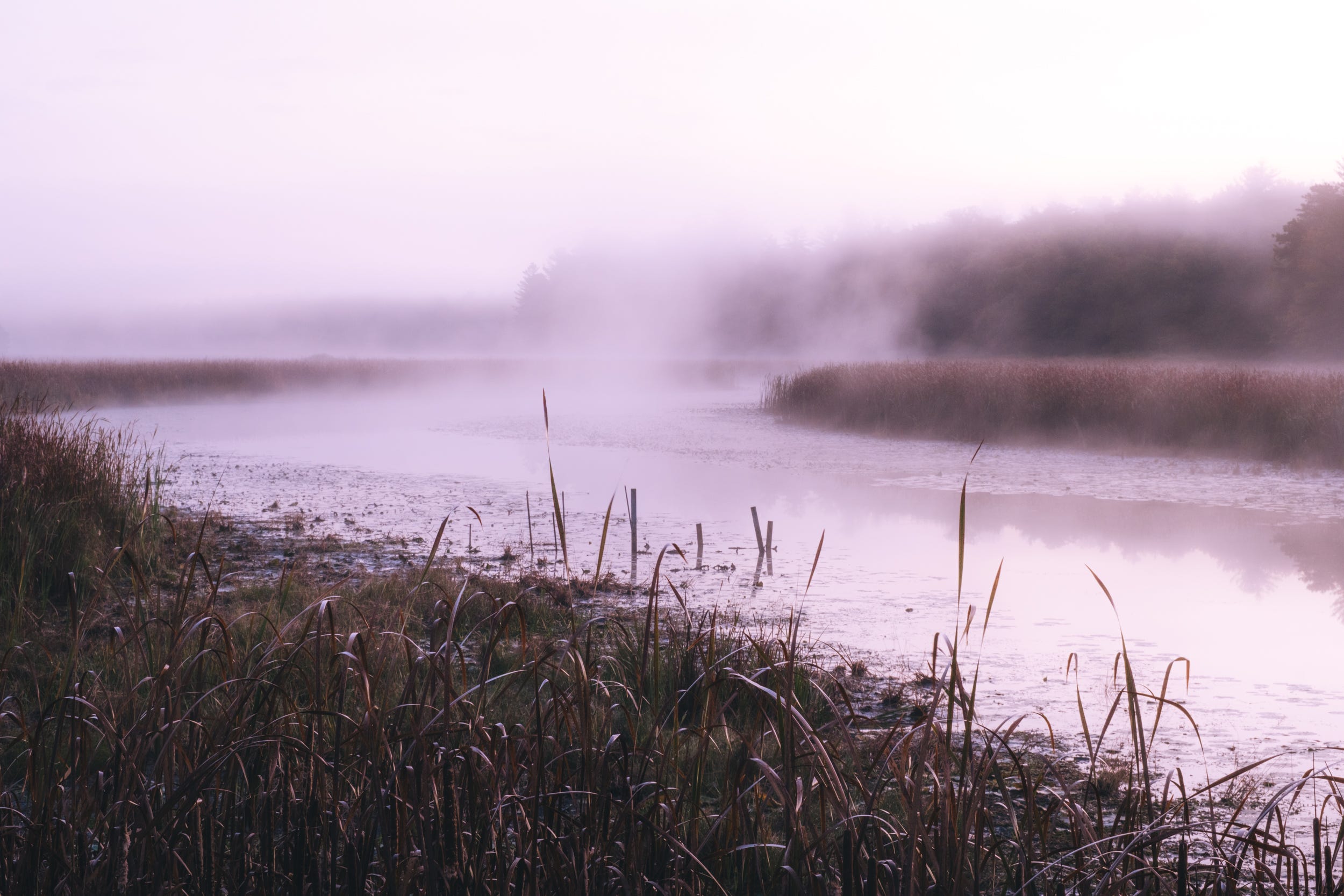
Almost golden hour, or blue hour, is one time of day you shouldn’t forget. I’ve been at a location at sunset and watched everyone pack up and leave after the sun hit the horizon. But I stayed a little longer and got some rich and moody deep blue and purple tones. On the other end of the day, the first light before sunrise can also give you this moody color.
One photographer takes dusk photos of buildings and works to balance the ambient light during the transition from sunset to darkness with the artificial lights in the scene. Whether you incorporate artificial light in your composition or just use the fading light of dusk, a tripod may be necessary. But you may find it is worth it.
Midday is a time I’ve always been told to avoid. Photographer James Popsys, however, takes advantage of the bright midday sun. He incorporates the shadows cast by direct sunlight and uses that light to create minimal compositions against the bright sky as a backdrop.
I have other articles about rain and bad weather, but I will just mention them here. But cloudy days and precipitation can provide some of the absolute best conditions for photography, in my opinion.
So, as I said, I had way too many orange photos when I went through my shots after that trip. It made me realize I spend too much time chasing perfect sunrises and sunsets.
But that’s OK. I just need to keep looking for what else is there.
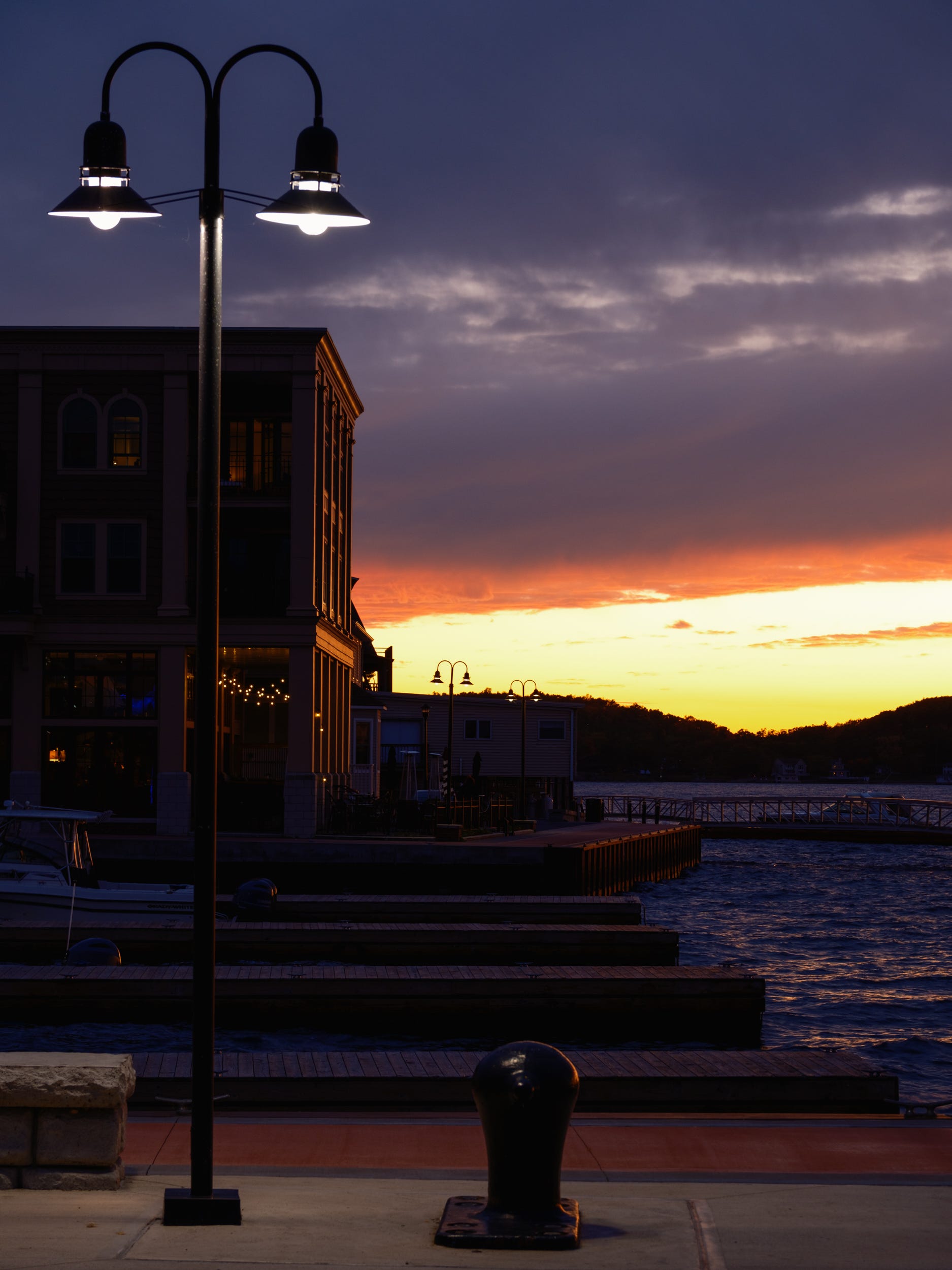
All images in this article were taken along the St Lawrence River.

✅ Where to Find Me
You can find more of my work on the web at: Simmons Photography
If you want to work with me, or inquire about licensing images: Contact Page
More of my work can be seen on Vero and Flickr.
Bob, these are beautiful! Love that fog shot 😍