

Visual Field Journal: 12 Tips for Shooting Better Photos in Cold Weather and Snow
Cold weather affects everything: your gear, your fingers, your timing, and even your decision-making. But it also gives you some of the most peaceful, minimal scenes you’ll see all year. I am not crazy about cold temperatures, but I love the images from this time of year. Here are a few tips for getting the most out of winter shooting without freezing your hands (or your camera).
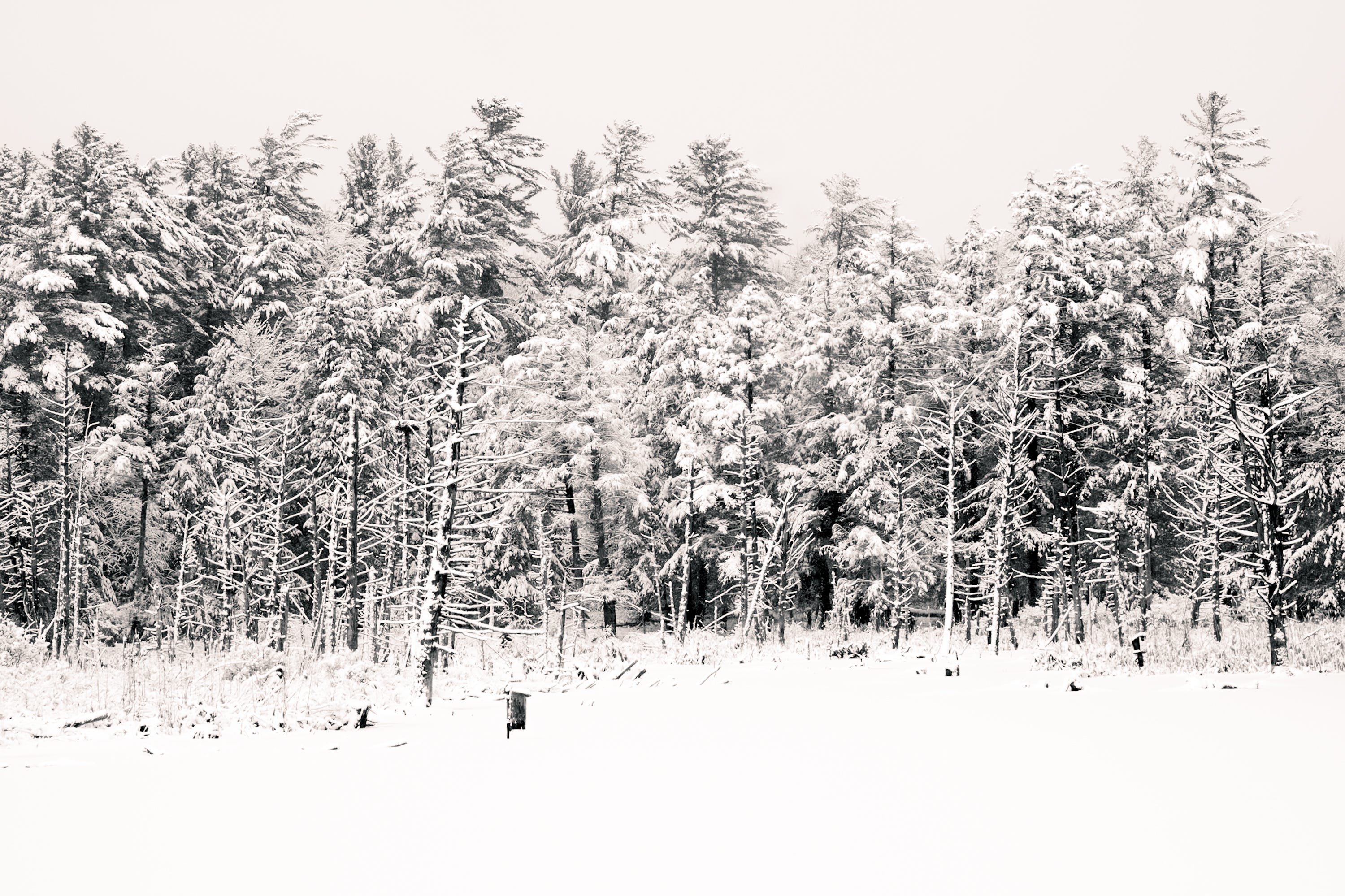
1. Keep your batteries warm
Cold drains batteries fast. Carry extras in an inside pocket so they stay warm and ready. Swap them before they’re entirely dead to avoid sudden shutdowns.
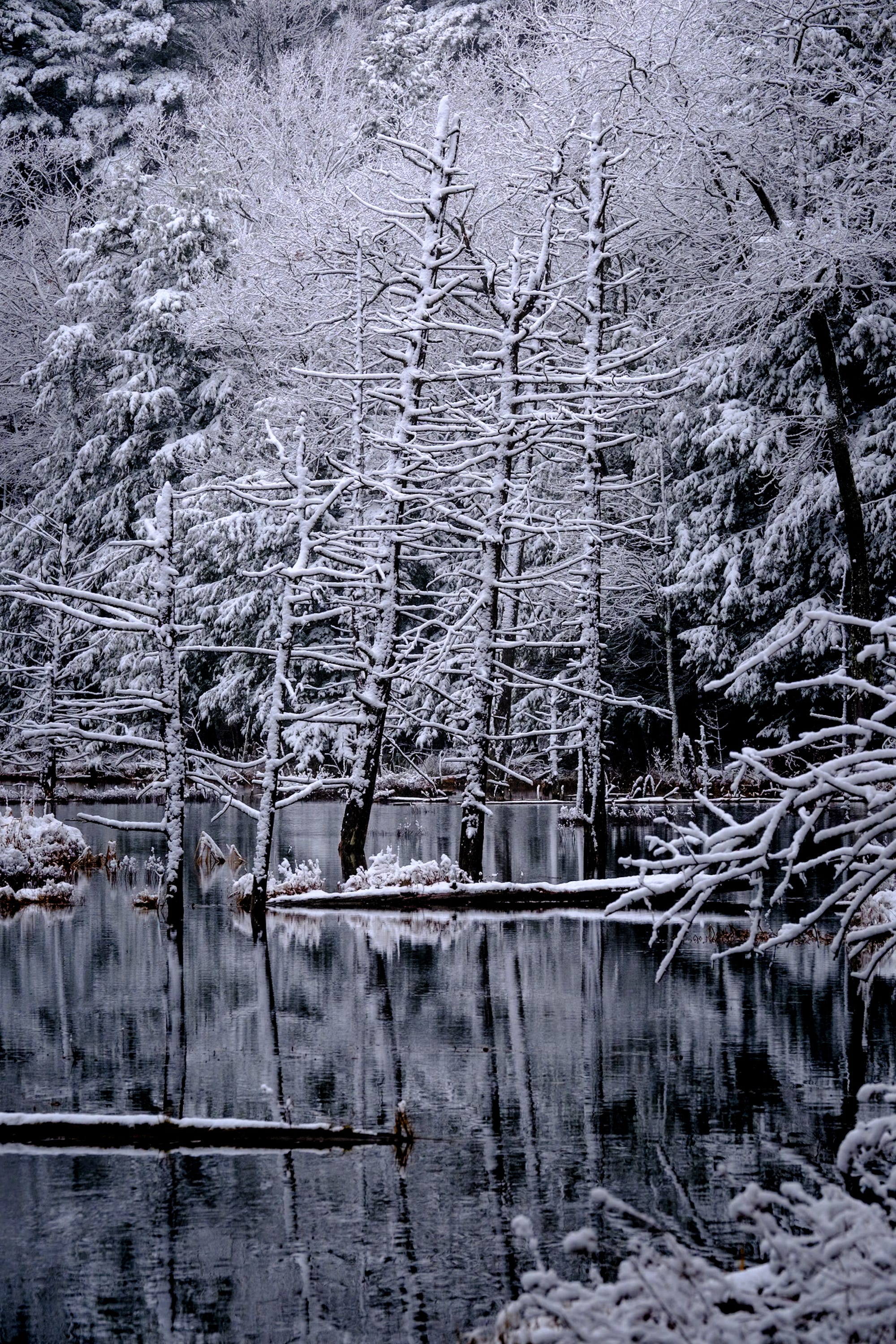
2. Protect lenses from fog
When moving indoors, keep your camera in your bag until it warms up. Sudden temperature shifts = condensation on everything.
3. Use a lens hood in falling snow
It won’t stop everything, but it helps keep stray flakes off the glass and reduces flare when the sun is low and bright.
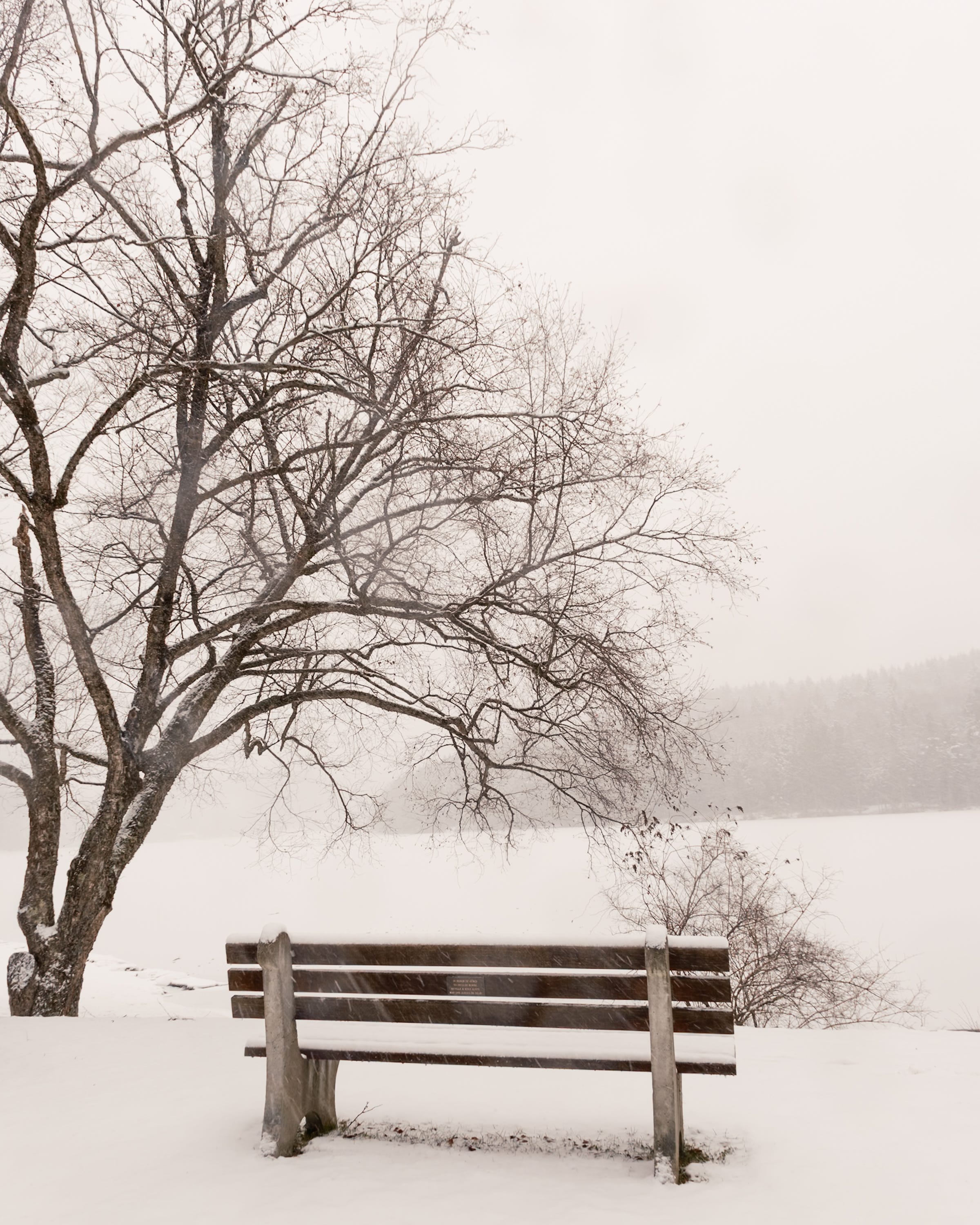
4. Bring liner gloves
Thin liner gloves under your main gloves let you operate dials and buttons without exposing your skin to the cold. I use thin gloves designed for electronics, either under my heavier gloves or by themselves for short periods, depending on the temperature.
5. Pack hand warmers
One in your coat pocket buys you several extra minutes of shooting before your fingers revolt.
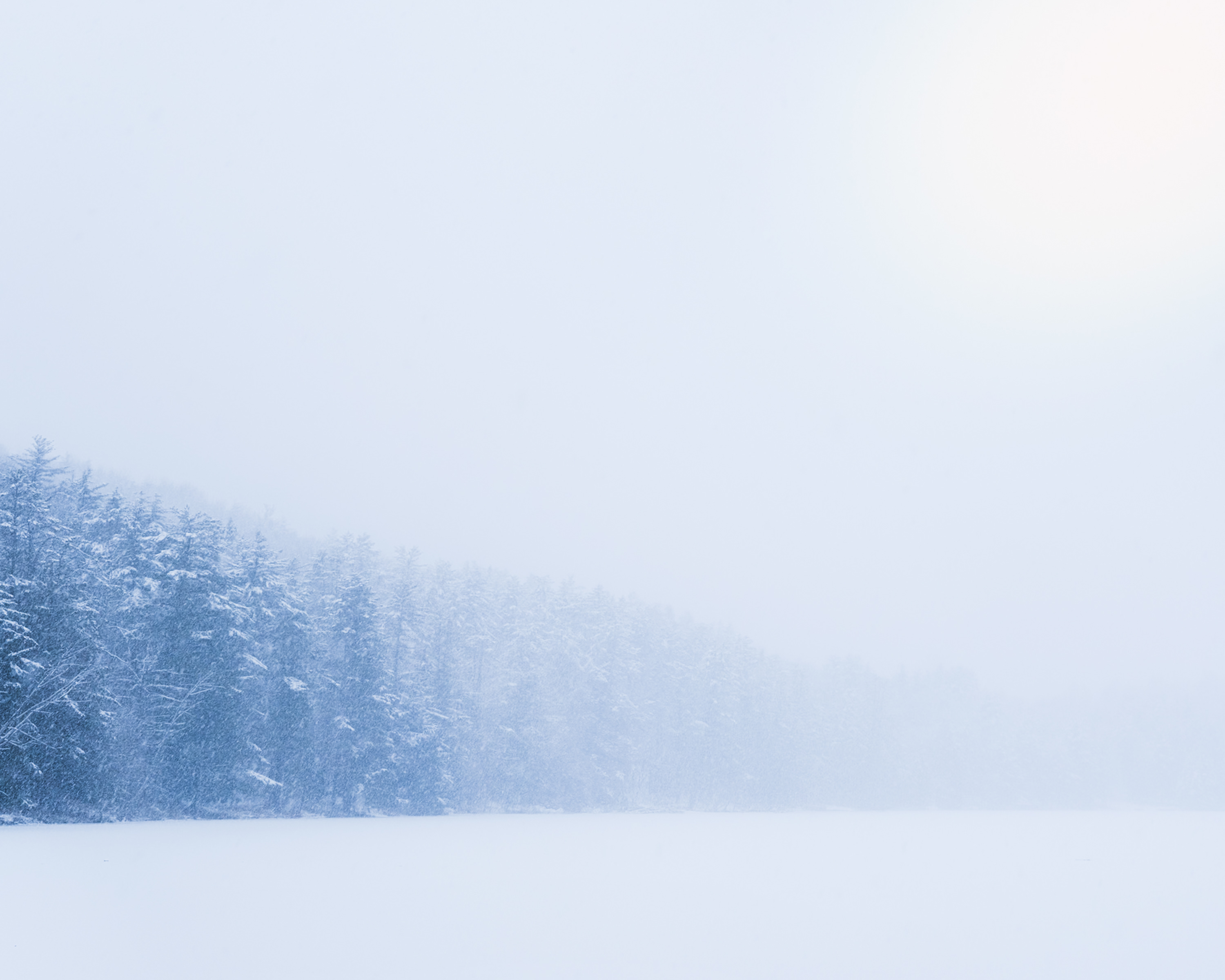
6. Expect slower autofocus
Cold lenses and motors don’t respond as quickly. Give your camera an extra moment to lock on, especially in low contrast scenes like fog or snow.
7. Add +⅓ to +1 stop exposure compensation
Your camera wants to make snow gray. Gently override it to keep winter scenes bright and accurate.
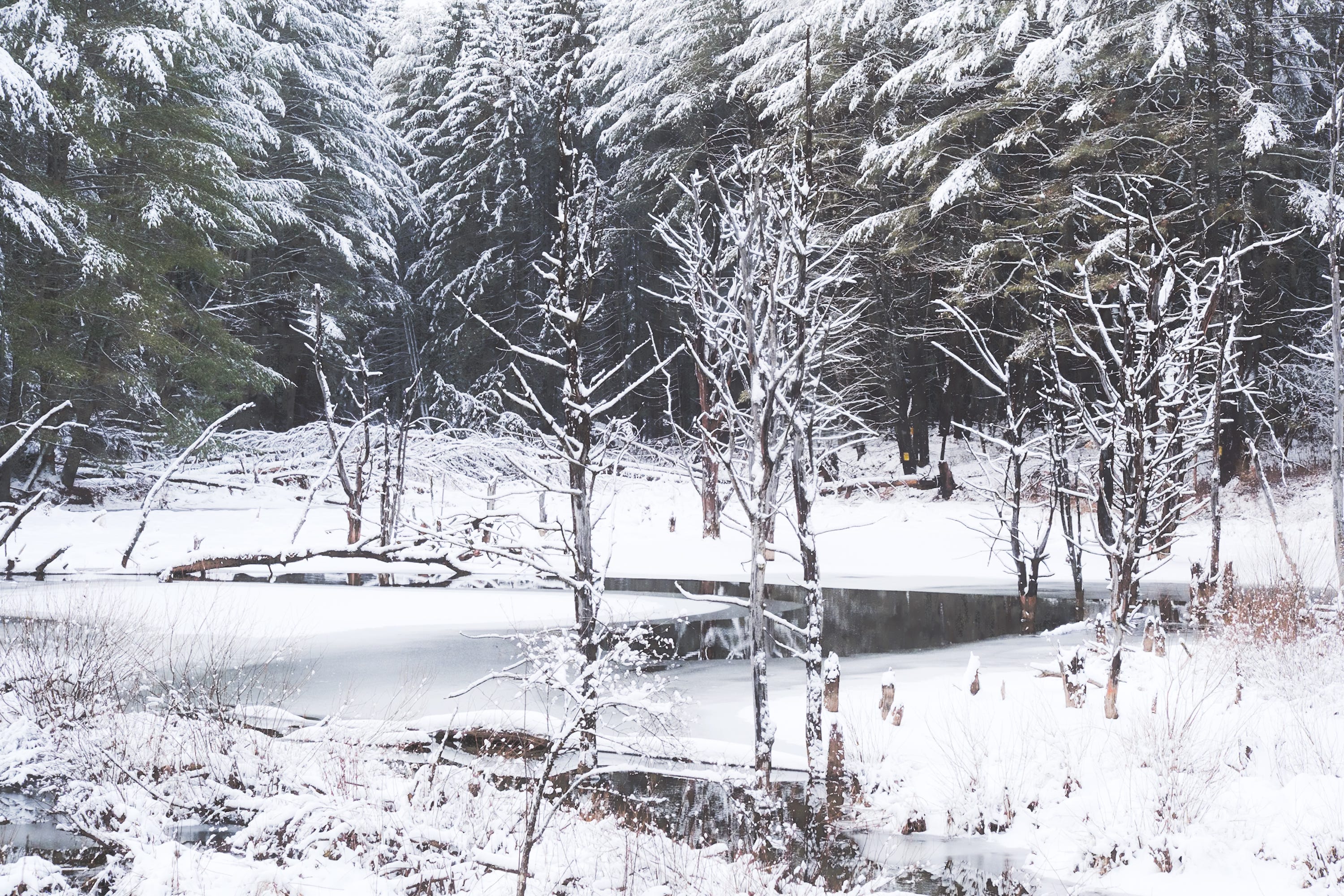
8. Watch the histogram
Snow blows out quickly, especially in midday sun. A quick glance keeps highlights from clipping beyond recovery.
9. Lean on your tripod
Wind plus cold hands equals camera shake. A tripod steadies the frame, letting you work more slowly and intentionally.
10. Dress in layers (and then add one more)
Breathable base, warm mid-layer, windproof/waterproof shell. Cold discomfort = rushed compositions. Consider a heated jacket or vest, but do not rely on it in case the battery runs out.
11. Look for what winter reveals
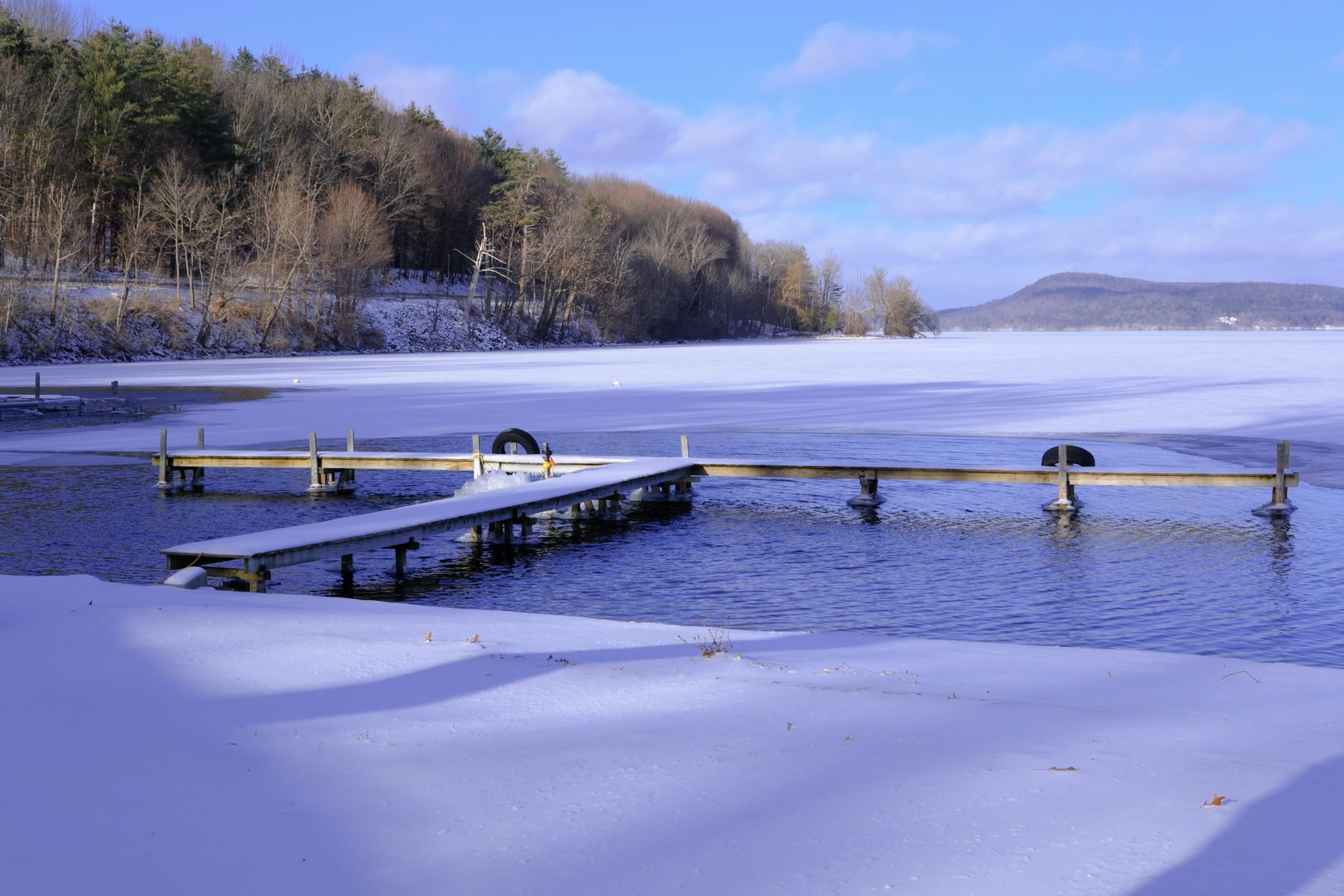
Snow simplifies everything. Lines, shapes, shadows, and negative space become more pronounced, perfect for moody, quiet images.
12. Warm up your gear the slow way
After shooting, leave your camera in its bag at room temperature. Slow warming prevents condensation inside the body and lenses. I wipe down my gear before putting it in the bag while I am still outdoors. This removes all possible snow and moisture, while the gear is still at or near the outdoor temps. Then I bring the bag indoors, and leave it closed until my gear has had time to warm. Then I wipe it down again when I open the bag.

✅ Where to Find Me
You can find more of my work on the web at: Simmons Photography
If you want to work with me, or inquire about licensing images: Contact Page
More of my work can be seen on Vero and Flickr.
🎒 The Gear Bag - Gear and Inspiration
Some links in this section are affiliate links. If you make a purchase through them, I may earn a small commission at no extra cost to you. I only share gear and resources I personally use or believe in.
As an Amazon Associate, I earn from qualifying purchases.