

It happens frequently. Someone gets their first camera and immediately puts it in manual mode, because they were told that’s how professional photographers shoot.
They adjust the aperture for the depth of field they want, select a fast shutter speed to stop the motion, and a low ISO to avoid noise, using all the best advice.
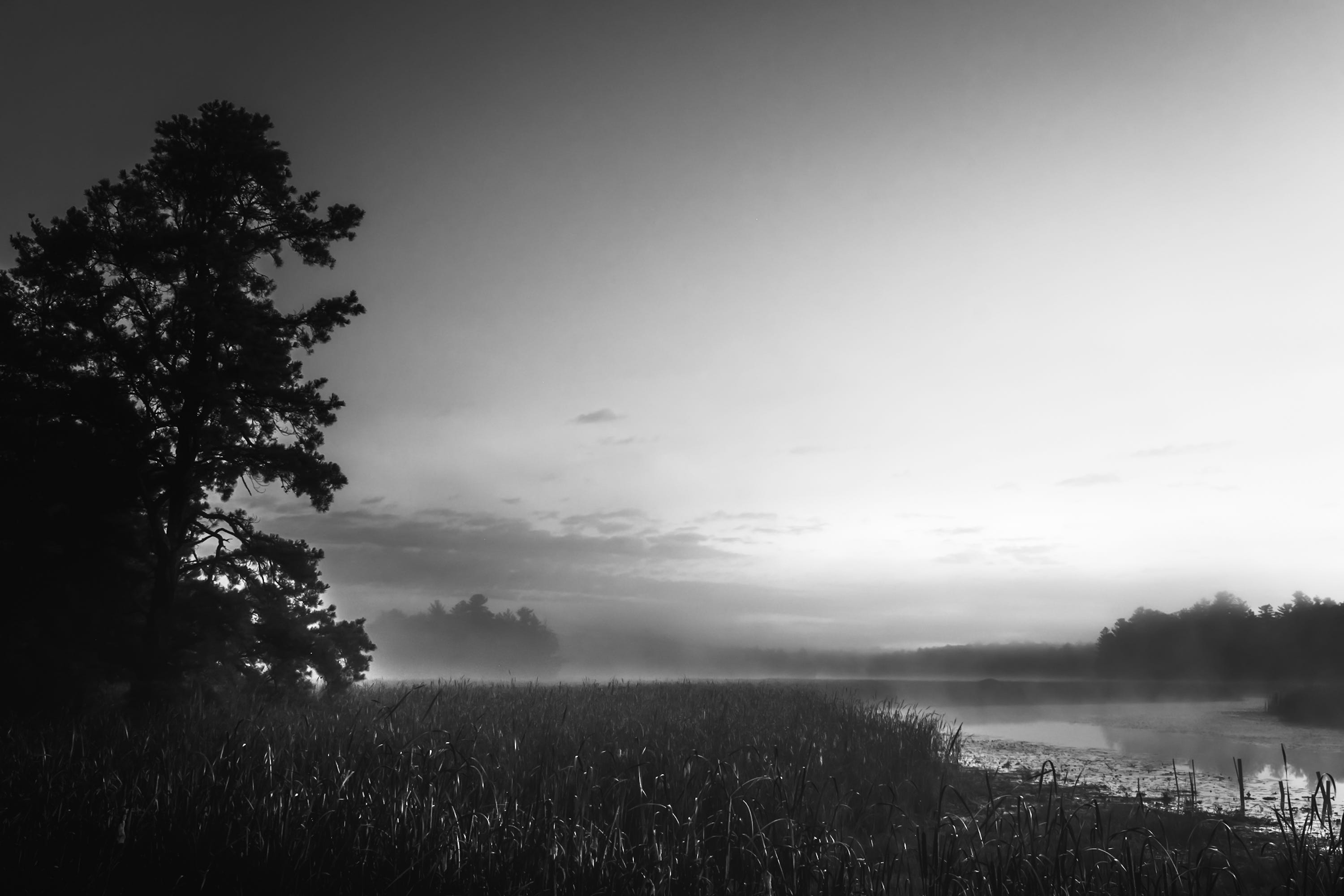
All the photos are coming out too dark. Nobody told them all those settings are tied together by the exposure triangle.
I used to get caught up worrying about camera settings and miss the decisive moment. That moment came and went while I was still trying to react to it.
I’m not saying manual mode is wrong. It gives you the ultimate level of control. For some situations, and for some photographers, it’s exactly what is needed.
But it’s not a requirement.
“Real photographers” capture that moment. They do that by knowing their gear and not letting it get in the way. They understand that what is right for one photographer may not be right for another one, and that is OK.
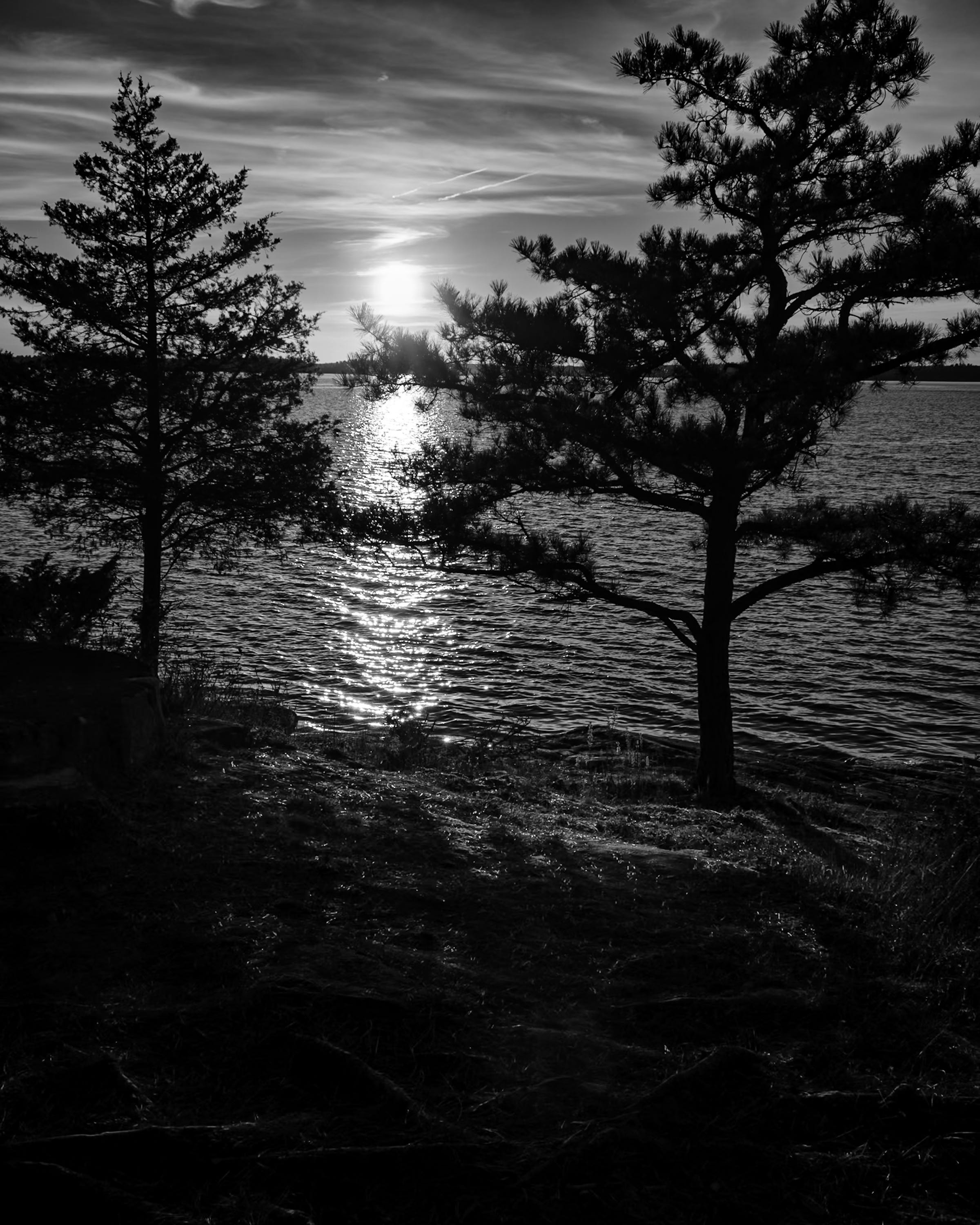
Don’t be afraid to let the camera pick that shutter speed for you. Using Aperture Priority Mode and leaning on the exposure compensation button may give you all the control you need, letting the camera make those last-minute adjustments.
The photos in this post use aperture priority. I set the aperture, and the ISO, letting the camera pick the shutter speed. I also leaned on the exposure compensation setting to keep the silhouettes dark and the sky exposed properly.
The lighting conditions kept changing as dusk approached, and I wanted to think about composition.
The first time I had my photography hung at an art show, with potential buyers walking past, I noticed something important. They asked about the places the images were taken. They asked about the moment I had captured. Not one person asked what camera settings I used, or if it was in manual mode.

✅ Where to Find Me
You can find more of my work on the web at: Simmons Photography
If you want to work with me, or inquire about licensing images: Contact Page
Yup! It's all about knowing which mode is the right mode for each situation! For action, shutter priority; for portraits, aperture priority. Events, program mode. And when you can take your time or need fine control, manual.
I certainly let my camera do a lot of work for me because, as you say, I don't want to miss what I'm seeing or spend too long on it most of the time. I often walk fairly quickly and shoot. One minute I'll be in a dark alley and the next in some of the harshest most direct light you can imagine. Having to sit there and adjust every little thing just throws me off. Picking one mode to control many of the settings for what I'm doing is perfect.