

When I got home, something felt off. Unfinished.
I went out for a few hours, taking photos and enjoying some rare warm weather. I had found some scenes I felt good about. And I made some compositions I was looking forward to seeing.
I hadn’t shot film much over the winter. And many times when I’m shooting film, I also shoot at least a few images on a digital camera. But today there was nothing to look at yet. For the first time in a few months, I shot everything with my Nikon FE film camera. There weren’t any digital images to look at. Not even a cell phone shot.
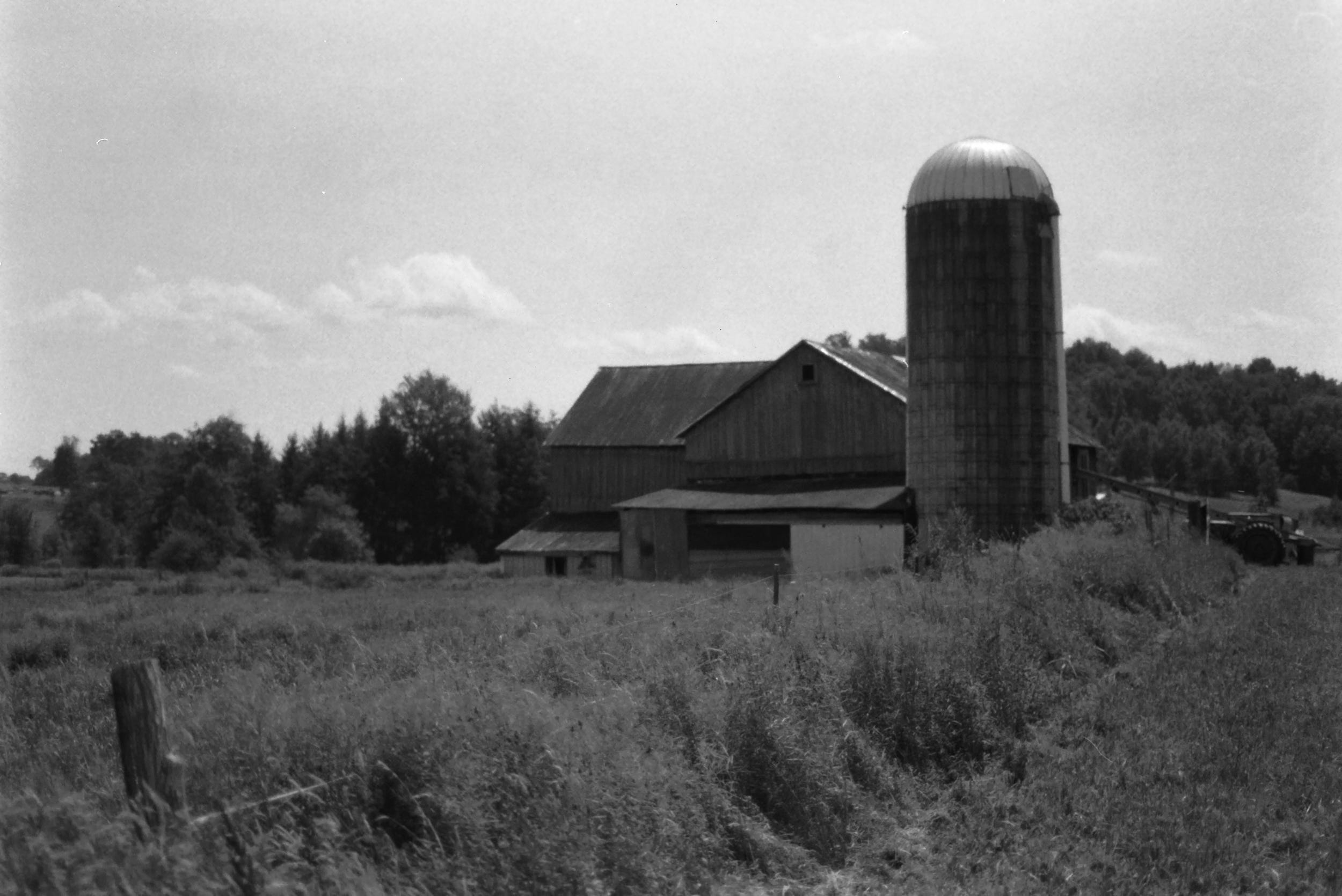
Today was recorded exclusively on Kentmere PAN 400 and Tri-X
Instead of reviewing images, I spent some time thinking about why I felt like something was missing today.
What was missing?
Feedback
When the majority of your photography is digital, you get comfortable with seeing immediate feedback. Between seeing shots right away on the back of your camera and on a bigger screen as soon as you transfer your images off a memory card to a computer or tablet, you know if they met your expectations!
Gratification
Just seeing what you made, because you want to. Nothing beats returning from a photo outing and getting that dopamine hit when you download your images.
Closure
Just closing the loop on the day. Maybe because it’s a habit? Maybe it’s partly because of the first two reasons.
When I got back from shooting rolls of film, this loop got stuck open. The images I made today exist. At least I think they do. Can’t see them yet. So we are just going to hang here until I get my film processed.
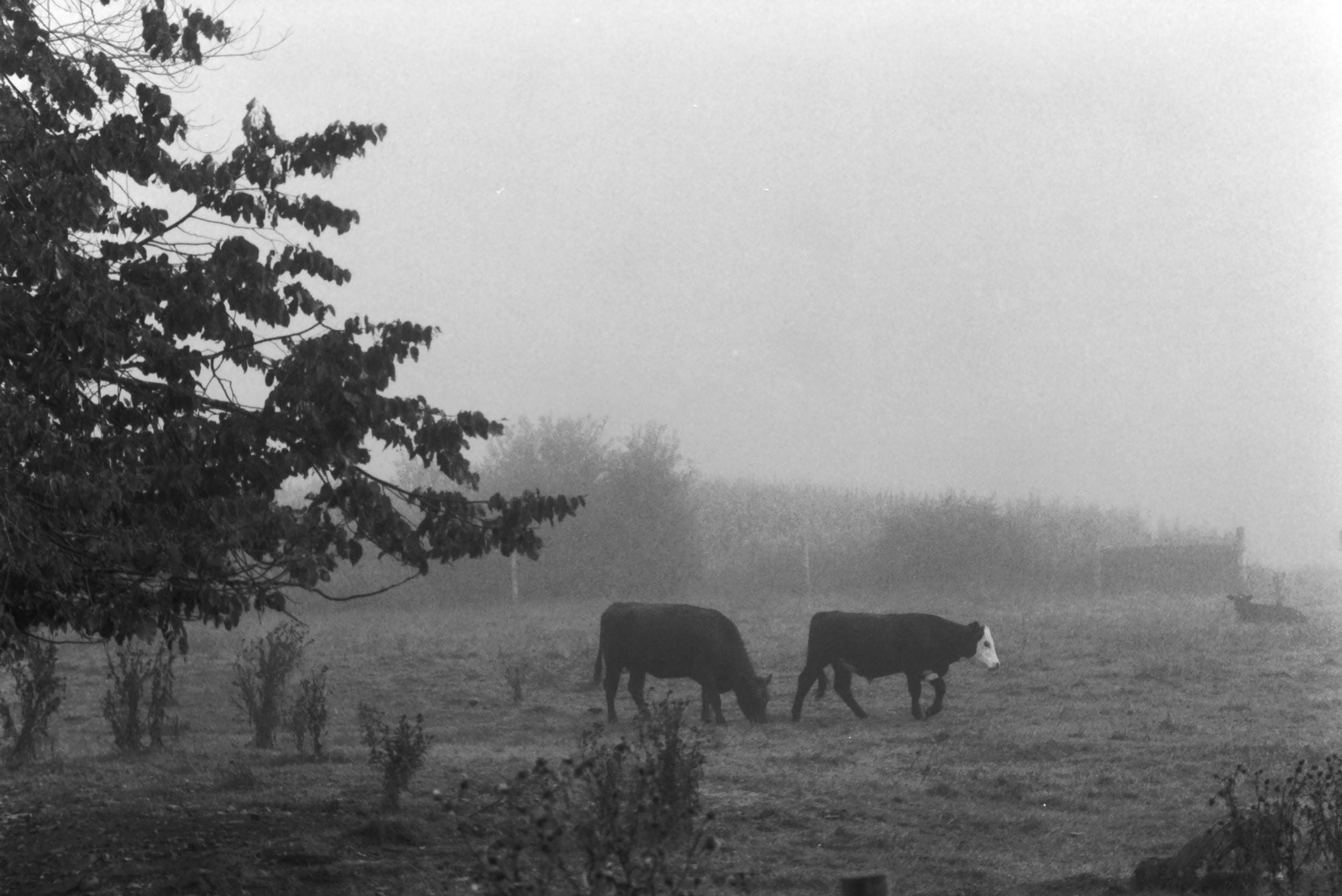
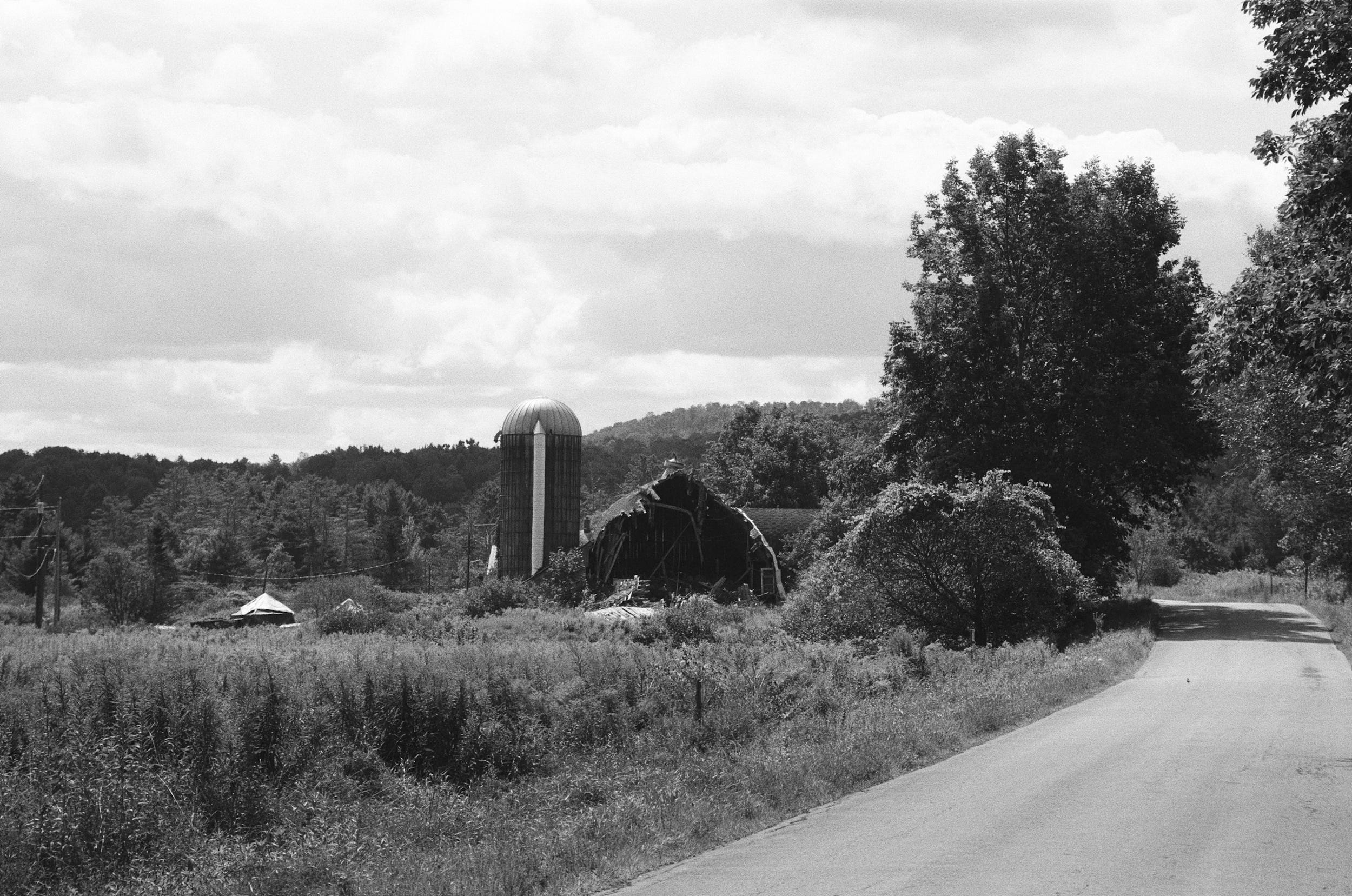
Note: the images in this article are analog shots from my archive. Images referred to in the story are still waiting to be processed.
Why does this matter?
The instant feedback loop is really powerful (despite its addictive properties). I think I’ve learned more about exposure and composition with that short turnaround, and with the availability of EXIF data on each image, than I would have in 50 years of shooting film.
Shoot.
Review.
Adjust.
Repeat.
From a learning perspective, digital definitely wins.
Feedback also changes behavior.
These benefits can come with a cost. For example, chimping. I’m guilty. Shoot, and then look at the back of the camera. Sometimes it’s necessary to make sure you’ve got the shot. But you can start doing it too much, to the extent that you are worried about the last shot when you should be watching for the next one. Again, I’m guilty.
Sometimes instant feedback is useful. Sometimes it’s a distraction.
Film preserves uncertainty
That feedback loop gets rid of much of the uncertainty about the images you have captured. While film preserves it. Whether that’s good or bad is up to you, but with film, you don’t know for sure what you captured until you process the film.
You don’t know:
Was my exposure correct?
Was it focused properly?
Did I nail the timing, capture the moment?
Did the image even work?
If it’s an image you put effort into, it might stay in your head a while, in the form of a question. Something unresolved. Until hours, days, even weeks later, depending on how long it takes for processing.
It takes up that mental space longer than a digital shot as you wonder and anticipate.
The Train
As I went further down this rabbit hole of how the digital and film experiences are different, I thought about one of the shots I got that I am really looking forward to seeing.
A freight train was approaching in the distance. With the digital camera, I probably would have taken several shots at different distances. I would have let the autofocus worry about the changing distance involved. And I would have had a few shots to select from when I got home to determine my favorite angle, lighting, and distance.
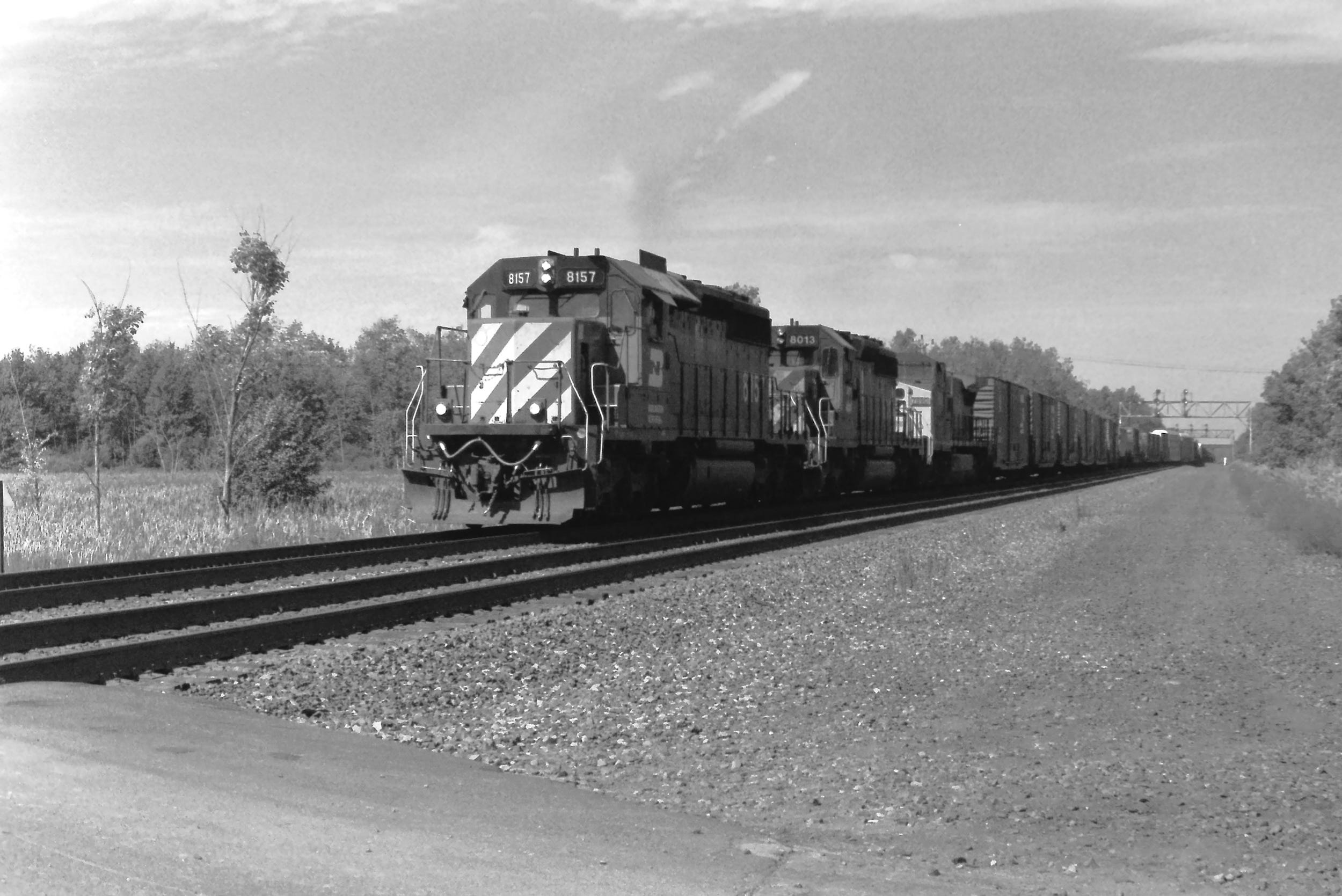
But I had a film camera. And guess what! There were two frames left on the roll. This requires a very intentional approach. I figured out how close I wanted it to get, the optimal angle, compression, etc. I was shooting with the FE and a 35-105 zoom lens, so I had options. I quickly picked the spot, prefocused, and waited. I visualized the shot I was hoping to get to a greater extent than I do with digital.
I think when I am shooting film, I put more creative effort in before the shutter click than I do with digital. This isn’t better or worse in my opinion, but it is different.
Chain of commitments
Film requires a chain of commitments before the shutter clicks.
You must decide:
focal length
focus point
timing
framing
exposure
And then live with those decisions.
Digital, especially RAW files, let you make some adjustments. Even the timing/framing can be flexible with essentially unlimited shots and a high frame rate on a digital camera.
But with film, you have a limited number of exposures, and what the film captures won’t change much later.
Film forces commitment.
Digital allows more exploration.
Neither is really any better, just different experiences.
Why does it matter?
I started thinking about this because of the feeling of something missing. And I ended up thinking of quite a few ways that shooting film disrupts my routine. A routine and habits formed from shooting digital for several years now.
Film vs digital. In my head, I can think of as many benefits for one as I can for the other.
But one thing that this comes down to is that switching between them can disrupt habits. It can change your workflow and my thought patterns.
Breaking out of habits and comfortable patterns generally helps my creativity.

✅ Where to Find Me
You can find more of my work on the web at: Simmons Photography
If you want to work with me or inquire about licensing images: Contact Page
More of my work can be seen on Vero and Flickr.